

Imagine waking up to the rich aroma of freshly brewed coffee, its enticing scent drawing you into the kitchen. Now, picture that coffee hailing from the lush, volcanic slopes of Costa Rica, a country renowned for producing some of the world’s finest beans. In this blog post, we’ll embark on a flavorful journey, exploring the captivating world of Costa Rican coffee. From its unique origins to its distinct flavor profile, we’ll uncover what makes this coffee a true gem among coffee enthusiasts.
The Rich History of Costa Rican Coffee
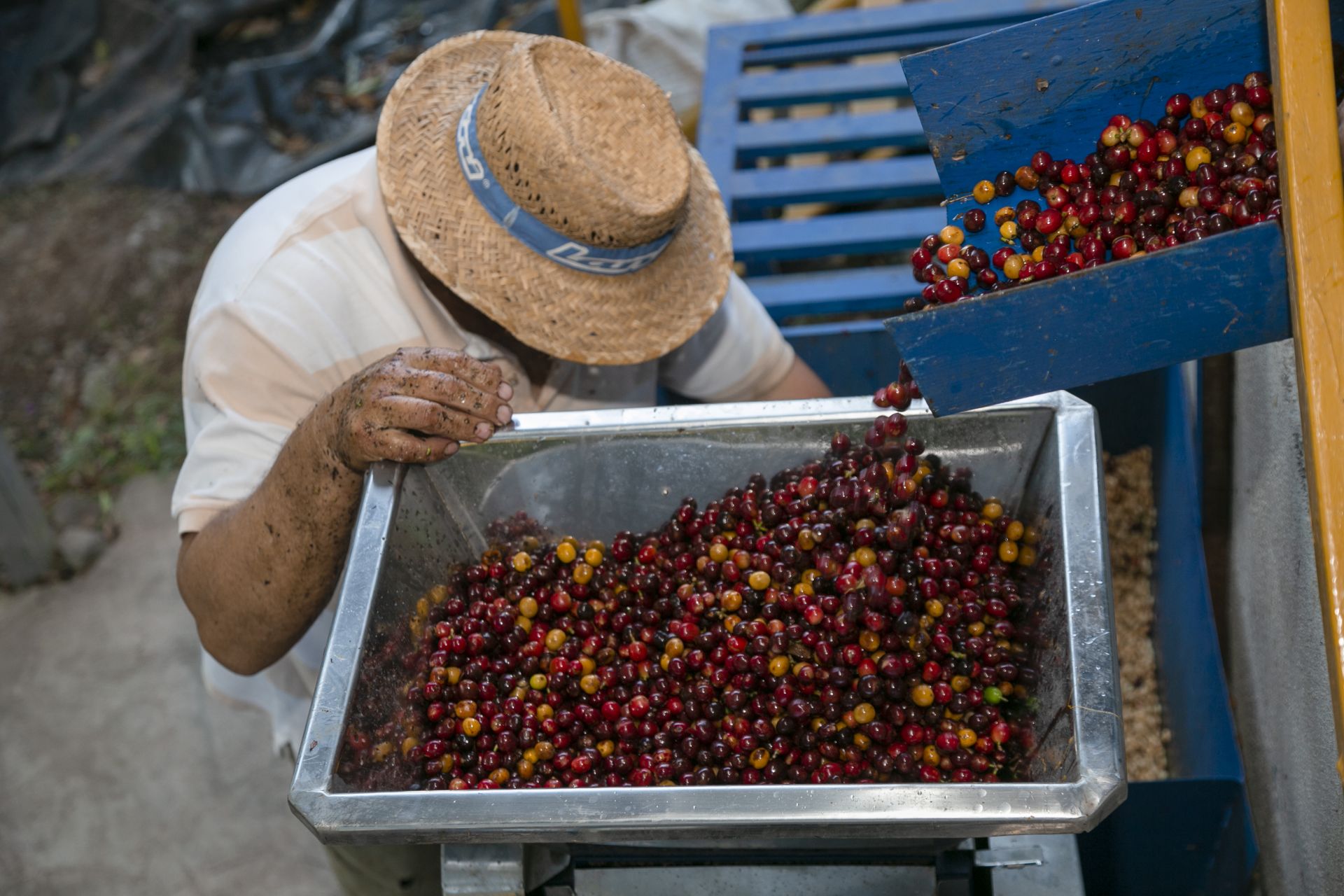
Costa Rica’s love affair with coffee began in the late 18th century when coffee seeds were first introduced to the country. The fertile volcanic soil, high altitudes, and ideal climate proved to be a match made in heaven for coffee cultivation. By the mid-19th century, coffee had become Costa Rica’s primary export, shaping the nation’s economy and culture.
Today, Costa Rica is recognized as a global leader in sustainable coffee production. The country’s commitment to environmental protection and social responsibility is deeply ingrained in its coffee industry. Many Costa Rican coffee farms are family-owned and operated, passing down generations of knowledge and expertise.
What Sets Costa Rican Coffee Apart?
Several factors contribute to the exceptional quality of Costa Rican coffee beans:
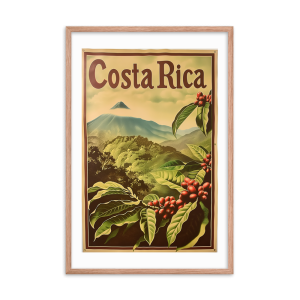
- Ideal Growing Conditions: Costa Rica’s volcanic soil is rich in minerals, providing essential nutrients for coffee plants. The high altitudes, ranging from 800 to 1,600 meters above sea level, create a cooler climate that slows down the coffee cherries’ maturation process, resulting in denser beans with more complex flavors.
- Strict Quality Control: Costa Rica has a rigorous coffee classification system that ensures only the highest quality beans reach the market. The country’s “Strictly Hard Bean” (SHB) designation is a testament to its commitment to excellence.
- Sustainable Practices: Costa Rican coffee farmers prioritize sustainable farming methods that protect the environment and promote biodiversity. Many farms are certified organic and utilize shade-grown techniques, which provide a natural habitat for birds and other wildlife.
- Varietal Diversity: While Arabica is the dominant coffee species in Costa Rica, the country also cultivates a variety of Arabica cultivars, each with its unique flavor characteristics. Some popular cultivars include Caturra, Catuai, and Villa Sarchi. The Coffee Review website provides detailed information about different coffee varieties and their flavor profiles.
The Flavor Profile of Costa Rican Coffee
Costa Rican coffee is celebrated for its bright acidity, medium body, and clean, balanced flavor. You can expect notes of citrus, chocolate, honey, and tropical fruits, depending on the specific region and processing method. The coffee’s acidity adds a lively, refreshing quality, while its medium body provides a smooth, satisfying mouthfeel.
Exploring Costa Rica’s Coffee Regions
Costa Rica boasts eight distinct coffee-growing regions, each with its unique terroir and flavor profile. Let’s take a closer look at a few of these regions:
- Tarrazu: Located in the country’s central highlands, Tarrazu is renowned for producing some of Costa Rica’s most prized coffees. The high altitudes and cool temperatures create ideal conditions for slow-maturing coffee cherries, resulting in beans with exceptional sweetness and acidity. Tarrazu coffees often exhibit notes of citrus, stone fruit, and chocolate.
- West Valley: Situated in the western part of the country, the West Valley region is known for its volcanic soil and diverse microclimates. Coffees from this region tend to have a medium body and balanced acidity, with flavors ranging from chocolate and caramel to berries and spices.
- Central Valley: Encompassing a large area in the heart of Costa Rica, the Central Valley is home to numerous coffee farms. The region’s coffees are characterized by their medium body, bright acidity, and notes of citrus, honey, and tropical fruits.
Brewing the Perfect Cup of Costa Rican Coffee
To truly appreciate the nuances of Costa Rican coffee, it’s essential to brew it with care. Here are a few tips:
- Use Freshly Roasted Beans: The fresher the beans, the more flavorful the coffee. Look for beans that have been roasted within the past few weeks.
- Grind Your Beans Just Before Brewing: Grinding your beans releases their aromatic oils, which quickly dissipate. For optimal flavor, grind your beans right before brewing.
- Use Filtered Water: The quality of your water can significantly impact the taste of your coffee. Use filtered or bottled water to avoid any off-flavors.
- Experiment with Different Brewing Methods: Costa Rican coffee is versatile and can be brewed using various methods, including pour-over, French press, and Aeropress. Experiment to find your preferred brewing method. You can find detailed brewing guides and tutorials on the Specialty Coffee Association website.
Costa Rican coffee is a testament to the country’s dedication to quality, sustainability, and passion for coffee cultivation. From its rich history to its unique flavor profile, Costa Rican coffee offers a truly exceptional coffee experience. So, the next time you’re looking for a cup of coffee that’s both delicious and ethically sourced, reach for a bag of Costa Rican beans. Your taste buds will thank you!

 English
  Español
  Deutsch
  Français